The Complete Water Purification Guide: 7 Methods Without Electricity
This article is for general preparedness education. It is not professional medical, legal, or safety advice. Verify critical information with authoritative sources.
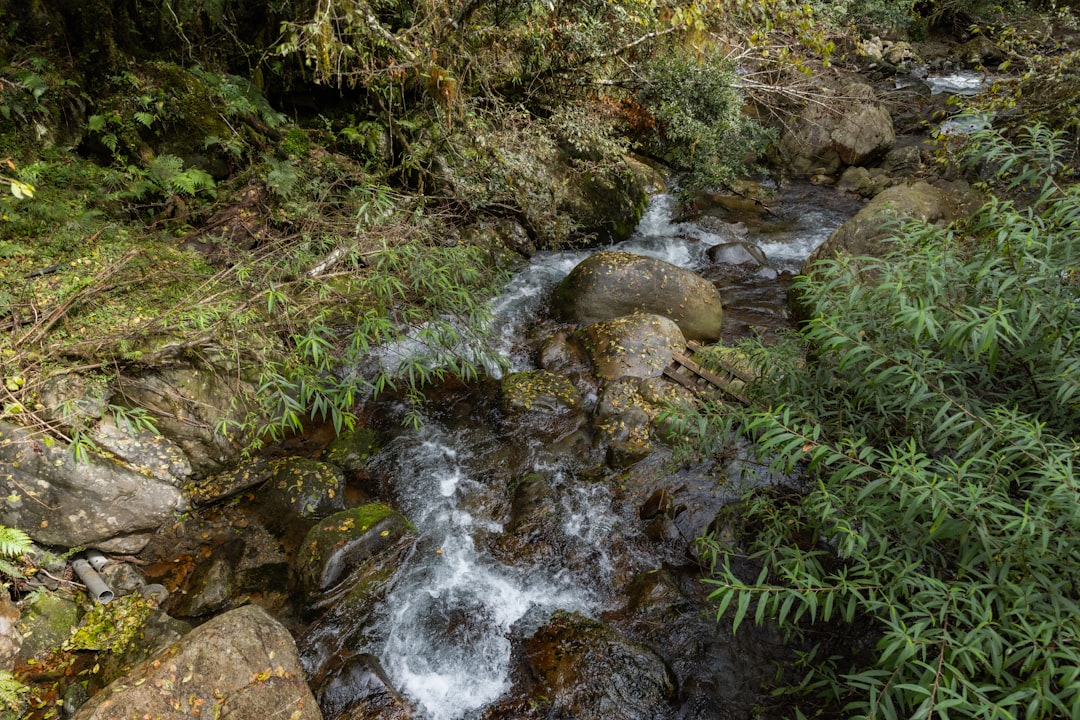
Clean water is the single most critical survival resource. The human body can survive weeks without food but only about three days without water. When infrastructure fails — whether from a hurricane, earthquake, or prolonged power outage — municipal water treatment stops working. Knowing how to purify water from natural sources isn't theoretical knowledge. It's a life-saving skill.
This guide covers seven proven methods for water purification that require no electricity, drawn from the US Army Survival Manual FM 21-76 and FEMA emergency preparedness guides.
1. Boiling
Boiling is the most reliable single method of water purification available without specialized equipment. Bringing water to a rolling boil for one minute kills 99.999% of bacteria, viruses, and parasites. At elevations above 6,500 feet, boil for three minutes — the lower atmospheric pressure raises the effective temperature needed.
What you need
- A heat-resistant container (metal pot, can, or glass jar)
- A fire source
- Time: 1-3 minutes at a rolling boil
Limitations
- Requires fuel for fire
- Does not remove chemical contaminants, heavy metals, or sediment
- Water must cool before drinking
- Not practical for large volumes
2. Solar Disinfection (SODIS)
The SODIS method uses UV radiation from sunlight to kill pathogens in water. It's endorsed by the World Health Organization and has been used successfully in disaster zones worldwide.
How to do it
- Fill clear PET plastic bottles (most standard water/soda bottles) with water
- If the water is cloudy, filter it through cloth first
- Place bottles on a reflective surface in direct sunlight
- Leave for at least 6 hours in full sun, or 2 full days if overcast
- The combination of UV-A radiation and heat kills 99.9% of pathogens
Why it works
UV-A radiation disrupts the DNA of bacteria, viruses, and parasites, preventing reproduction. The temperature inside the bottle can reach 50-60°C, which accelerates the disinfection process. Glass bottles work but are less effective because they block some UV radiation.
3. Sand and Charcoal Filtration
A biosand filter uses layers of natural materials to physically remove sediment, bacteria, and some parasites from water. This method is based on the same principles used in municipal water treatment plants.
Building a basic filter
- Find or create a container with a small drainage hole at the bottom
- Layer from bottom to top: small gravel (2 inches), coarse sand (2 inches), fine sand (4 inches), crushed charcoal (2 inches), fine sand (2 inches), gravel top layer (1 inch)
- Pour water through the top and collect from the bottom
- Discard the first several batches — the filter improves as a biofilm develops on the sand layers
Important notes
- This is a filtration method, not a sterilization method
- For best results, combine with boiling or SODIS
- The charcoal layer adsorbs some chemicals and improves taste
- Replace the charcoal layer every 2-3 weeks of regular use
4. Chemical Treatment with Household Bleach
Standard unscented household bleach (5.25-8.25% sodium hypochlorite) is an effective water disinfectant. The EPA recommends this method for emergency water treatment.
Dosage
- Clear water: 8 drops (⅛ teaspoon) per gallon
- Cloudy water: 16 drops (¼ teaspoon) per gallon
- Stir and let stand for 30 minutes before drinking
- The water should have a slight chlorine smell — if it doesn't, repeat the dose and wait another 15 minutes
Shelf life consideration
Bleach loses potency over time. A fresh bottle is most effective. After one year, bleach may have lost up to 50% of its disinfecting power. In a preparedness kit, rotate your bleach supply annually.
5. Iodine Treatment
Iodine tablets or tincture of iodine (2% solution) effectively kill most waterborne pathogens. Iodine has a longer shelf life than bleach and is more portable.
Using iodine tincture
- 5 drops per quart of clear water
- 10 drops per quart of cloudy water
- Wait 30 minutes before drinking (longer in cold water)
Limitations
- Not effective against Cryptosporidium
- Not recommended for pregnant women, people with thyroid conditions, or for use longer than 3 weeks continuously
- Leaves an unpleasant taste (can be reduced with vitamin C powder added after the treatment period)
6. UV Light Purifiers (Battery-Powered)
Portable UV purifiers like the SteriPEN use battery power to generate UV-C light that destroys pathogens. While this technically requires stored electricity, a single set of batteries can treat hundreds of liters.
How they work
- Submerge the UV element in water (typically 16-32 oz at a time)
- Activate for 60-90 seconds while stirring
- UV-C light at 254nm wavelength destroys DNA of bacteria, viruses, and protozoa
Preparedness note
- Keep extra batteries in your kit (lithium batteries have a 10+ year shelf life)
- Small solar charger can keep rechargeable models powered indefinitely
- Not effective in cloudy or turbid water — pre-filter first
7. Distillation
Distillation is the most thorough purification method, removing bacteria, viruses, heavy metals, salts, and most chemicals. It works by evaporating water and collecting the condensed steam.
Simple solar still
- Dig a hole 3 feet across and 2 feet deep
- Place a collection container in the center
- Cover the hole with clear plastic sheeting
- Place a small weight (stone) on the plastic directly above the container
- The sun heats the ground, evaporating moisture which condenses on the plastic and drips into the container
- Yields approximately 1-2 quarts per day in direct sun
Pot distillation
- Fill a pot halfway with water and bring to a boil
- Place a heat-resistant bowl floating on the water surface or suspended above
- Invert the pot lid so condensation drips into the bowl
- Place ice or cold water on top of the inverted lid to accelerate condensation
Which Method Should You Use?
The best method depends on your situation:
- Fastest and most reliable: Boiling (if you have fuel)
- No equipment needed: SODIS (requires only plastic bottles and sun)
- Largest volume: Sand/charcoal filtration + boiling
- Most portable: Iodine tablets or UV purifier
- Removes chemicals: Distillation (but slow)
- Best combination: Filter first, then boil or treat chemically
In a true emergency, any purification is better than none. Dehydration kills faster than most waterborne diseases. Make sure your bug-out bag includes at least two purification methods from this list.
All methods in this guide are documented in the US Army Survival Manual FM 21-76 and FEMA emergency preparedness guides, both of which are included in full on the Deadnet USB drive.
Get offline access to expert survival knowledge
Military and government survival sources. Local AI. No internet required.