Bug-Out Bag Checklist: The 2026 Update
This article is for general preparedness education. It is not professional medical, legal, or safety advice. Verify critical information with authoritative sources.
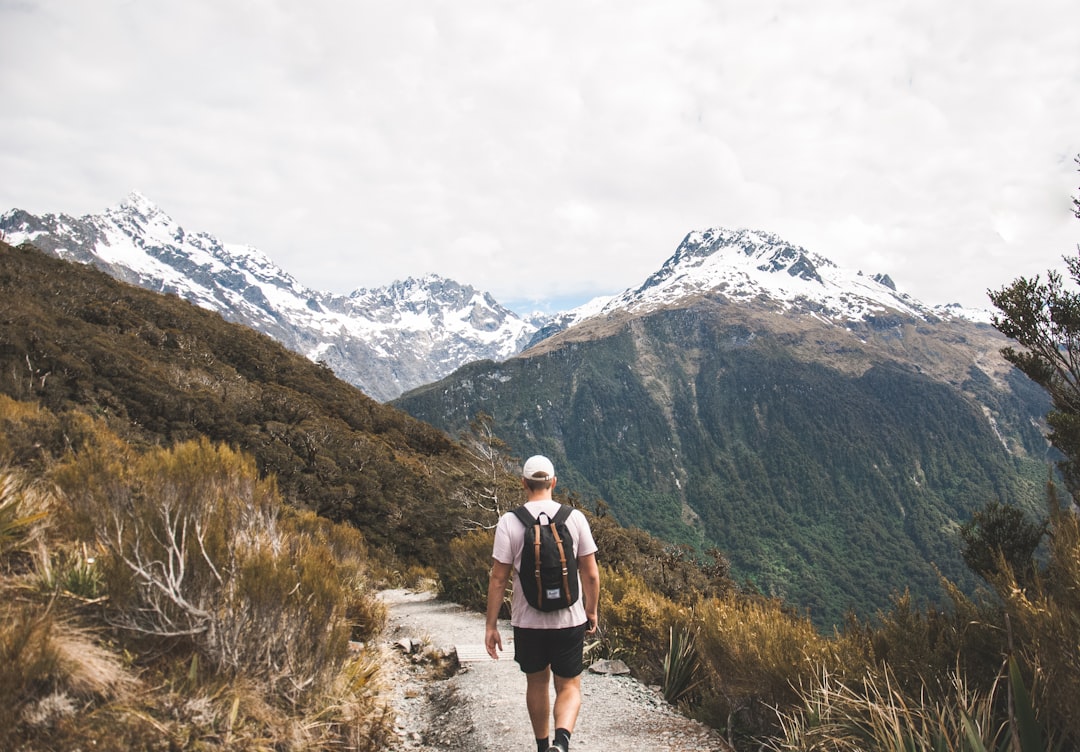
A bug-out bag (BOB) is a pre-packed kit designed to sustain you for 72 hours if you need to evacuate quickly. The concept comes from military ready bags, but the application is purely civilian: hurricanes, wildfires, floods, earthquakes, and other events where you need to leave home with minimal notice.
This checklist is based on FEMA's emergency preparedness guidelines, supplemented with practical considerations from the US Army Survival Manual FM 21-76. We've cut the fluff, skipped the tactical cosplay, and focused on what actually matters.
The Bag Itself
Your container matters more than most people think. Requirements:
- 40-60 liter capacity (larger isn't better — you have to carry it)
- Comfortable hip belt and padded shoulder straps
- Water-resistant material (or use a rain cover)
- Subdued color (gray, dark green, black — you're not looking for attention)
A good hiking backpack from any outdoor retailer works perfectly. You don't need a "tactical" bag.
Water (Priority 1)
- 1 liter of water per person per day minimum (3 liters for 72 hours)
- Water purification tablets (enough for 20+ liters)
- Portable water filter (Sawyer Squeeze or similar — filters 100,000+ gallons)
- Collapsible water container (1-2 gallon capacity for collecting and storing)
Why this matters
Water is the heaviest item in your bag at 2.2 lbs per liter. Carrying 3 full days of water (6+ lbs) is heavy. A water filter lets you carry less and refill from natural sources. Purification tablets are backup for the filter.
Food (Priority 2)
- 3 days of calorie-dense, no-cook food (minimum 2,000 calories/day)
- Energy bars, trail mix, jerky, peanut butter packets
- Freeze-dried meals (if you have a way to heat water)
- Salt and sugar packets (electrolyte management)
- No canned food (too heavy, requires a can opener)
Calorie math
At minimum activity, adults need about 2,000 calories per day. Under stress and physical exertion (walking, carrying a pack), you need 2,500-3,500. A single 250-calorie energy bar won't cut it. Pack dense calories: nuts (170 cal/oz), peanut butter (165 cal/oz), chocolate (150 cal/oz).
Shelter and Warmth (Priority 3)
- Emergency bivvy or lightweight sleeping bag rated to the coldest temperature in your region
- Tarp (8x10 ft minimum) with 50 feet of paracord for shelter construction
- Emergency space blankets (2-3, they're lightweight and multipurpose)
- Rain poncho (doubles as ground cover or shelter material)
- Change of socks and underwear (wet feet cause blisters and trench foot)
- Warm hat and gloves (appropriate to your climate)
Note on sleeping bags
A 20°F-rated sleeping bag is heavy but could save your life in cold weather. An emergency bivvy weighs ounces but won't keep you comfortable. Match your gear to your climate and the time of year.
First Aid
- Commercial first aid kit as a base (then customize)
- Extra gauze and adhesive bandages
- Tourniquet (CAT or SOFT-T — learn how to use it before you need it)
- Prescription medications (7-day supply, rotate every 3 months)
- Over-the-counter: ibuprofen, antihistamines, anti-diarrheal, electrolyte packets
- Moleskin (for blisters — more useful than most people think)
- SAM splint
- Medical tape
- Nitrile gloves (several pairs)
The prescription medication problem
This is the item most people forget and the one most likely to cause a real emergency. If you take daily medication, a 3-day supply in your BOB could be the most important item you pack. Talk to your doctor about getting an extra prescription for emergency supplies.
Navigation
- Physical map of your region (roads AND topographic)
- Compass (baseplate style, learn to use it)
- Whistle (for signaling — three blasts is the universal distress signal)
- Small notepad and pencil (for leaving notes or recording information)
Why not rely on your phone?
Your phone's GPS works without cell signal, but the battery won't last 72 hours. A map and compass never run out of battery. Learn basic map reading — it's a skill that takes an afternoon to acquire and lasts a lifetime.
Fire and Light
- Lighter (disposable Bic — reliable, cheap, waterproof the bottom with tape)
- Waterproof matches (backup)
- Ferro rod (backup to the backup — works when wet)
- Tinder (petroleum jelly cotton balls in a small container — burns 3+ minutes each)
- Headlamp with extra batteries (hands-free lighting is essential)
- Small flashlight (backup)
Tools
- Fixed-blade knife (4-6 inch blade, full tang — this is your most important tool)
- Multi-tool (Leatherman or similar)
- Duct tape (wrap 10-20 feet around a pencil to save space)
- Zip ties (assorted sizes)
- P-38 or P-51 can opener (if you're packing any canned items)
Communication and Information
- Battery-powered or hand-crank AM/FM/NOAA weather radio
- Phone charger (portable battery bank, 10,000+ mAh)
- Small solar panel for charging (optional but valuable for extended situations)
- Deadnet USB drive (offline AI survival assistant)
- Copies of important documents in a waterproof bag (ID, insurance, emergency contacts)
- A written emergency communication plan with radio frequencies and meeting points
The information gap
Most bug-out bag lists include a radio (good for receiving information) but nothing for reference. In a 72-hour evacuation, you might need to purify water, treat an injury, or navigate to a shelter. Having access to expert reference material — without needing cell service — fills the gap between "I think I remember reading about this" and "here are the exact steps."
Hygiene
- Travel toothbrush and toothpaste
- Hand sanitizer
- Toilet paper (compressed camping roll)
- Small camp towel
- Sunscreen
- Insect repellent
- Feminine hygiene products (if applicable)
- Trash bags (multiple uses: rain protection, waste disposal, water collection)
Documents and Cash
- $200-300 in small bills ($1s, $5s, $10s, $20s)
- Copies of: driver's license, passport, insurance cards, emergency contacts
- USB drive with digital copies of important documents
- All in a waterproof bag or container
Why cash matters
ATMs don't work without power. Card readers don't work without internet. In the first 72 hours of a regional emergency, cash is the only reliable payment method.
What NOT to Pack
- Firearms (unless you're trained and legally permitted — this isn't a tactical fantasy list)
- More than 3 days of food (you're evacuating, not homesteading)
- Books (weight — use digital reference instead)
- Full-size tools (axe, shovel — too heavy)
- Multiple changes of clothing (one change of base layers, prioritize socks)
- Anything you haven't tested or used before
Weight Target
Your fully packed BOB should weigh no more than 20% of your body weight. For a 150-lb person, that's 30 lbs maximum. If you can't comfortably walk 5 miles with it, it's too heavy.
The Real Test
Pack your bag. Put it on. Walk 3 miles. See what hurts, what shifts, what you wish you had, and what you realize you don't need. Adjust. Repeat. A bug-out bag that sits untested in a closet is a bag of assumptions.
Maintenance Schedule
- Monthly: Check batteries, rotate any food approaching expiration
- Quarterly: Rotate prescription medications, check water purification supplies
- Annually: Replace water, update documents, reassess clothing for current season
- After any use: Restock everything you used or opened
Get offline access to expert survival knowledge
Military and government survival sources. Local AI. No internet required.