EMP Preparedness: What Electronics Will Actually Survive
This article is for general preparedness education. It is not professional medical, legal, or safety advice. Verify critical information with authoritative sources.
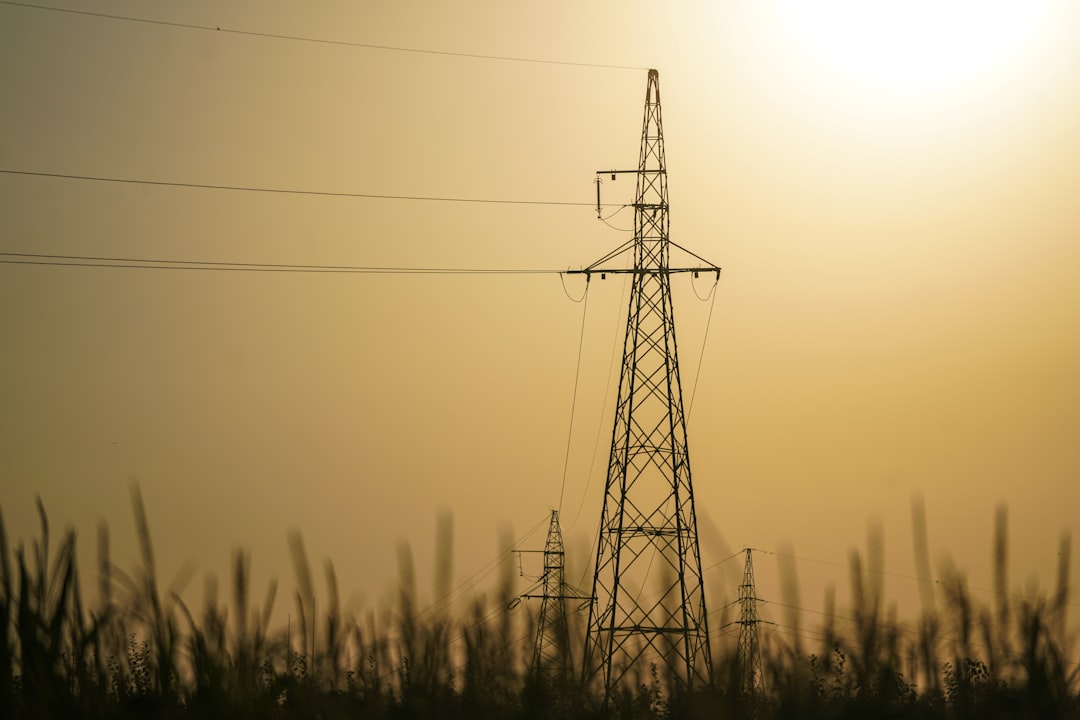
Electromagnetic pulse (EMP) preparedness generates more misinformation than almost any other topic in the survival space. Online forums swing between "every electronic device will be instantly destroyed" and "EMPs are a complete myth." The reality is somewhere in between, and it's more nuanced than either camp admits.
This article draws on publicly available research from the Congressional EMP Commission reports, Department of Defense testing data, and peer-reviewed studies. No speculation, no fear-mongering — just what we actually know.
What Is an EMP?
An electromagnetic pulse is a burst of electromagnetic energy that can damage or destroy electronic equipment. There are three main sources:
Nuclear EMP (HEMP)
A nuclear weapon detonated at high altitude (25-250 miles above the earth's surface) generates an EMP that can affect electronics across a continental-scale area. The pulse occurs in three phases (E1, E2, E3), each with different characteristics and effects.
Solar events (Geomagnetic Storms)
Coronal mass ejections from the sun can create geomagnetic disturbances similar to the E3 component of a nuclear EMP. The 1859 Carrington Event is the benchmark — telegraph systems caught fire, and operators received electric shocks. A similar event today would primarily affect the power grid and long-conductor systems.
Non-nuclear EMP devices
Localized EMP generators exist but their range is limited to tens of meters at most. These are primarily a concern for targeted attacks on specific facilities, not widespread disruption.
What the E1, E2, and E3 Components Actually Do
E1 Component (Nanoseconds)
The E1 pulse arrives first and is the most damaging to small electronics. It induces voltages in circuits through direct coupling — essentially, the electromagnetic field induces current in conductors (wires, circuit traces, antennas) that exceeds what the components can handle.
This is the component that could damage computers, phones, vehicles, and other devices with integrated circuits. However — and this is critical — the actual damage depends on many factors: the device's orientation, whether it's connected to external wiring (power cords, antennas), whether it's powered on, and the field strength at that location.
E2 Component (Microseconds to Milliseconds)
Similar to a lightning strike. Modern lightning protection on the power grid and in buildings would handle this component if it occurred alone. The problem is that E1 may have already damaged the lightning protection equipment.
E3 Component (Seconds to Minutes)
A slow-moving pulse that primarily affects long conductors — power lines, pipelines, undersea cables. This component would damage large transformers in the power grid. Solar geomagnetic storms produce primarily E3-type effects.
What Electronics Are Actually at Risk?
Based on available testing data from the Congressional EMP Commission and Department of Defense:
High risk (connected to long conductors)
- Power grid transformers and infrastructure
- Communications equipment connected to external antennas
- Devices plugged into wall power during the event
- Landline telephone systems
- Wired networking equipment
Moderate risk
- Vehicles (modern cars have extensive electronics, but DOD testing showed most vehicles survived with minor effects — the "all cars stop instantly" scenario is largely fiction)
- Desktop computers that are powered on
- Solar panel inverters and charge controllers
- Generators with electronic ignition/control
Lower risk
- Devices not connected to external conductors
- Battery-powered portable electronics that are turned off
- Devices inside metal enclosures
- Simple electronics without integrated circuits
- USB drives and other solid-state storage media
Minimal risk
- Passive items: hand tools, mechanical equipment, paper, clothing
- Simple battery-powered devices (flashlights, basic radios without complex ICs)
The USB Drive Question
USB flash drives are frequently asked about in EMP preparedness contexts. Here's what we know:
A USB drive is a passive solid-state device. When unplugged, it has no active circuits, no power flowing through it, and minimal conductor length to act as an antenna. The flash memory chips are encased in an epoxy package inside a small plastic or metal housing.
Based on the physics of EMP coupling, an unplugged USB drive is one of the lowest-risk electronic items. The small size means minimal antenna effect. The lack of active electronics means no circuits to overload. The solid-state memory requires no power to retain data.
This doesn't mean a USB drive is guaranteed to survive every conceivable EMP scenario. But in a realistic threat model, unplugged flash storage is among the most resilient digital media.
Faraday Cages: What Actually Works
A Faraday cage is a conductive enclosure that blocks electromagnetic fields. They work — the physics is well-established. But there's a lot of misinformation about DIY implementations.
What works
- A continuous metal enclosure with no gaps larger than the wavelength you're blocking
- Purpose-built EMP bags (multiple layers of metallized fabric with conductive adhesive closures)
- Metal ammunition cans with the rubber gasket removed and replaced with conductive tape at the seal
- A galvanized metal trash can with a tight-fitting lid and conductive contact at the seam (lined with insulating material inside)
What doesn't work as well as people think
- Wrapping items in aluminum foil (works somewhat, but gaps in the foil compromise shielding)
- Microwave ovens (designed to block microwave frequencies but not the broad spectrum of EMP)
- Cardboard boxes lined with foil (gaps at seams)
- Any container with gaps, holes, or non-conductive seams
The key principle
The enclosure must be electrically continuous — no gaps in the conductive shell. And the device inside must not touch the enclosure walls (use insulating material like cardboard or foam as a liner).
What to Actually Protect
If you're taking EMP preparedness seriously, these are the items worth protecting in a Faraday enclosure:
- A backup radio (AM/FM/NOAA weather radio, battery-powered)
- Spare batteries (lithium batteries in original packaging have 10+ year shelf life)
- A USB drive with critical reference material (survival manuals, important documents)
- A small solar charger (for post-EMP power generation)
- A basic laptop or tablet (for accessing USB drive contents)
- LED flashlight with spare batteries
- A portable ham radio (if you're licensed)
The Power Grid: The Real Concern
The most significant EMP risk for civilians isn't the destruction of personal electronics — it's the loss of the power grid. Large power transformers are the vulnerable point, and they have 12-24 month manufacturing lead times.
A severe EMP or Carrington-level solar event could damage enough transformers to create regional or national power outages lasting weeks to months. This is the scenario that makes all other preparedness relevant — not because your phone breaks, but because the infrastructure that supports everything (water treatment, food supply chains, hospitals, communications) runs on electricity.
This is also why offline preparedness tools matter. In a prolonged grid-down scenario, you can find or charge a computer (solar, generator, vehicle power). But you can't find an internet connection.
The Bottom Line
EMP preparedness doesn't require bunker-building or spending thousands on Faraday cages. The practical approach:
- Keep critical backup electronics in a simple Faraday enclosure
- Have a plan for life without grid power (water, food, medical, communication)
- Focus on the grid-down scenario more than the "everything electronic is destroyed" scenario
- Store reference material in the most resilient format available (solid-state storage, printed material)
The goal isn't to survive the EMP itself — that's the easy part. The goal is to function during the weeks or months of infrastructure recovery that follow.
Get offline access to expert survival knowledge
Military and government survival sources. Local AI. No internet required.