Tornado Preparedness: What the March 2026 Outbreak Teaches Us
This article is for general preparedness education. It is not professional medical, legal, or safety advice. Verify critical information with authoritative sources.
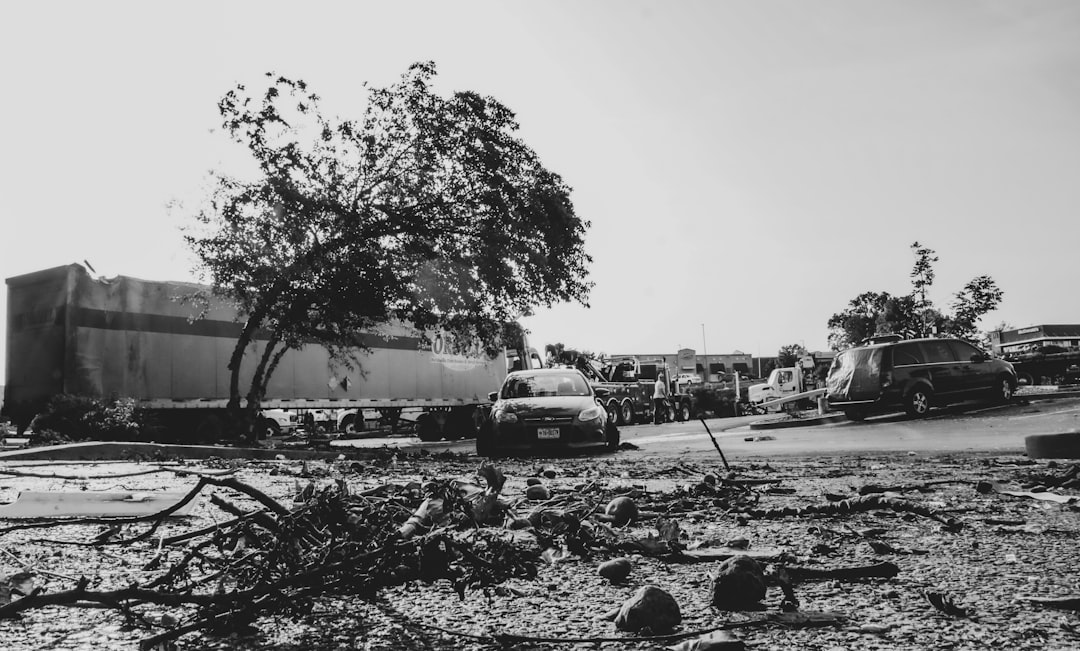
The first week of March 2026 is not supposed to produce EF5 tornadoes. Peak tornado season runs April through June. The atmospheric setup that generates 200+ mph winds and mile-wide damage paths is rare even in May. Yet on March 10, a supercell in eastern Indiana carved a 14.6-mile path of EF5-level destruction — only the second such tornado in the United States since 2013.
Across the full March 5–10 outbreak, 10 tornadoes rated EF2 or stronger struck six states, killing 12 people and injuring more than 144. A second outbreak from March 9–12 produced 87 confirmed tornadoes, including an EF3 that tracked 36 miles across Illinois and northwest Indiana. The total toll is still being counted.
This is the deadliest stretch of tornado activity this early in the calendar year in decades. And it happened while blizzards buried Michigan, Wisconsin, and Minnesota, and a historic heat wave pushed Phoenix to triple-digit temperatures in March for the first time in recorded history.
The lesson is not that tornadoes are getting worse, though the data on that is debated. The lesson is that the old mental model — "tornado season starts in April, so I have time" — gets people killed. Preparedness is not seasonal.
This post covers what the March 2026 outbreak reveals about shelter decisions, warning systems, and the specific actions that separate survivors from fatalities.
Why Early-Season Tornadoes Catch People Unprepared
Traditional preparedness messaging ties tornado readiness to spring. Severe Weather Preparedness Week in most states falls in late February or early March — helpful, but the timing implies that the threat arrives in the weeks ahead, not right now.
The March 2026 outbreak contradicts that framing directly. The atmospheric conditions that drove it — a strong upper-level trough, abnormally warm Gulf moisture surging north, and extreme wind shear — are not exclusive to May. They can align in any month, and have done so repeatedly in the historical record.
A few facts that frame the risk:
- The 2025 tornado season killed 16 Missourians alone, the deadliest year in that state since the 2011 Joplin EF5 that killed 158.
- An average of 72% of all tornado-related fatalities in the US occur in homes — not in vehicles, not outdoors.
- Of those home deaths, 54% occur specifically in manufactured homes and mobile homes.
- If you live in a mobile home, you are 15 to 20 times more likely to die in a tornado than someone in a permanent structure, according to data compiled by the National Weather Service.
That last statistic is worth pausing on. The housing type matters more than almost any other single variable in tornado survival.
The Shelter Decision: Where You Are When It Hits
Flying debris causes the majority of tornado deaths and injuries. Head injuries account for 71.4% of deaths among hospitalized tornado patients. The implication is direct: any physical barrier between your body and projectile debris significantly increases your odds. The question is which barrier.
Basement vs. Interior Room
Research published in peer-reviewed emergency management literature consistently finds that basements reduce injury risk by approximately 87% compared to above-ground living areas during significant tornadoes. That number applies across a range of tornado intensities. For EF4 and EF5 events, above-ground shelter in even a well-built interior room may not be sufficient if the structure takes a direct hit.
The hierarchy, in order of survivability:
- Purpose-built underground storm shelter or FEMA-rated safe room
- Basement interior, beneath a staircase or heavy workbench if available
- Interior room on the lowest floor, no windows, central to the structure
- Bathtub with mattress or heavy padding over you
- Vehicle or outdoor exposure — last resort only
What Not to Do
The Washington Times survey of survival studies published March 16, 2026 — in direct response to the outbreak — reinforced several points that contradict popular instinct:
- Do not open windows to "equalize pressure." This is a myth. Opening windows wastes time you could use for shelter and does nothing to mitigate structural damage.
- Do not shelter under a highway overpass. This is one of the most dangerous positions possible. Overpasses create a wind tunnel effect and provide no meaningful protection from debris.
- Do not attempt to outrun a tornado in a vehicle in urban or suburban areas. Tornadoes can change direction unpredictably, and traffic will slow your escape. The only time vehicle evacuation makes sense is when you have clear visibility of the storm's path, open roads, and time to put significant distance between you and the rotation.
Mobile Home Residents: You Must Leave Before It Hits
There is no survivable shelter position inside a standard manufactured home during a significant tornado. The structure is not engineered to resist that wind load. If you live in a mobile home or manufactured housing, your preparedness plan must identify a nearby permanent structure — a neighbor's basement, a community shelter, a nearby building — and your plan must account for the time required to get there.
If a tornado warning is issued for your county and you are in a mobile home, leave immediately. Do not wait for visible rotation. Do not wait for the siren. Warnings now precede tornado touchdowns by an average of 13 minutes according to NOAA data. That window is not large, and it is not guaranteed.
Warning Systems: What They Actually Tell You
The NWS issues two types of alerts that matter here:
Tornado Watch: Conditions are favorable for tornado development. This is your preparation window. Locate your shelter, charge your devices, check on dependents.
Tornado Warning: A tornado has been detected by radar or reported by a trained spotter. This is the action signal. Move to shelter immediately.
The average lead time on a tornado warning is 13 minutes. That sounds like enough time, but it is not — if you are not already oriented toward shelter when the warning is issued, you may lose 2–3 minutes processing the alert, 1–2 minutes locating dependents, and another 1–2 minutes physically moving to the shelter location. For EF4 and EF5 tornadoes moving at 50–60 mph, 13 minutes of lead time at that translation speed covers 10–13 miles of approach distance.
The Problem With Relying Solely on Alerts
The March 2026 outbreak occurred across a geography where some residents received adequate warning. Others did not, for several reasons:
- Siren coverage in rural areas can be inconsistent. A siren mounted for a town center may not be audible 2 miles out.
- Wireless Emergency Alerts (WEA) are polygon-based but depend on cellular infrastructure. During widespread severe weather, networks can become congested.
- The March 10 EF5 developed rapidly from a supercell that had already been tracked — but localized warning dissemination in rural Indiana counties varied significantly by jurisdiction.
This is why NOAA Weather Radio — a dedicated, battery-powered receiver operating on the 162.400–162.550 MHz band — remains one of the most reliable warning tools for severe weather. It does not depend on cell infrastructure. It does not require an internet connection. It broadcasts continuously, 24 hours a day, and can be programmed to alert only for your specific county.
A battery-powered or hand-crank NOAA radio is a $30–$50 piece of equipment that outperforms a smartphone under grid-down or network-congested conditions during exactly the scenarios when you need it most. Deadnet's offline AI includes detailed guides on radio equipment selection and programming for emergency monitoring, including frequency charts by region — useful reference material that doesn't require a connection to access.
Before the Season: Structural and Logistical Preparation
Know Your Building's Vulnerability
If you own your home, have a structural engineer or certified inspector assess whether a FEMA-compliant safe room installation is feasible. Above-ground safe rooms can be installed in existing homes for $4,000–$8,000 depending on size and design. FEMA provides design specifications (FEMA P-361, fourth edition) that define the structural and ballistic standards these rooms must meet. They are engineered to remain intact during EF5 winds.
Below-ground pre-cast concrete shelters cost $3,000–$6,000 installed in most markets. Both types qualify for hazard mitigation grant assistance through FEMA's Hazard Mitigation Grant Program (HMGP) in many states following a presidential disaster declaration.
The Shelter Kit: What to Pre-Position
A tornado can destroy your home in under 30 seconds. If your shelter is in the basement or a safe room, you may be there for the duration of the storm and immediately after. Pre-position the following in your shelter location:
- Bicycle helmets for all family members (head injury is the leading cause of death — this is not theater)
- Sturdy closed-toe shoes (post-tornado debris fields are full of nails, glass, and structural material)
- Heavy leather gloves
- Flashlights and spare batteries, or battery-powered lanterns
- A battery-powered or hand-crank NOAA weather radio
- Water (minimum 1 gallon per person)
- A first aid kit rated for trauma — not just bandages, but tourniquets and hemostatic gauze
- Copies of critical documents in a waterproof bag
- Medications for any family member who requires them
- A whistle — for signaling rescuers if you are trapped under debris
Helmets are consistently underutilized. The research on head injury as a leading cause of tornado death has been in the literature for more than a decade. A bicycle helmet costs $25. It is the single most accessible piece of protective equipment most households do not have in their shelter kit.
After the Tornado: The Immediate Hazards
Survivable tornado strikes are followed by a hazardous debris environment. Immediate post-event risks include:
- Downed power lines — assume all downed lines are energized. Do not approach.
- Structural instability — walls and floors weakened by wind loading may collapse under occupant weight or aftershock
- Gas leaks — if you smell gas, evacuate immediately and do not operate any electrical switches or open flames
- Contaminated water — municipal water systems can be compromised by pressure loss or cross-contamination following severe weather
- Looters and access control — major disaster areas attract opportunistic theft within hours of an event
Do not re-enter a damaged structure without a structural assessment. Do not use tap water for drinking or wound care until your municipality has lifted or issued a boil-water advisory.
Seasonal Preparation Timeline
Given that the 2026 outbreak hit in early March, the preparedness window is now — not April.
This week:
- Identify and walk to your shelter location. Time the walk from your bedroom at night.
- Purchase and test a NOAA weather radio. Program it for your county codes.
- Locate and pre-position helmets, flashlights, and a first aid kit in the shelter space.
This month:
- Assess your shelter quality honestly. If it is a mobile home, identify your off-site alternative and test the route.
- Create or update a household communication plan. Where do family members meet if separated? Who is the out-of-state contact?
- Review your homeowner's or renter's insurance policy for tornado coverage. Document your belongings with photographs or video stored in the cloud.
Before peak season (April–June):
- Consider a FEMA safe room installation if your shelter is inadequate.
- Take a basic first aid and CPR course. Tornado injuries — crush wounds, lacerations, head trauma — are exactly the scenarios these courses address.
- Discuss the plan with everyone in your household, including children. Run a drill.
The Broader Pattern
The March 2026 outbreak is a data point in a pattern that emergency managers have been watching for years: severe weather is becoming less predictable by calendar month and more dependent on atmospheric conditions that do not observe the traditional seasonal schedule. The same week that Indiana experienced an EF5, Nebraska was burning in wildfires that consumed more than 1,140 square miles of grassland — the largest fire event in the state's recorded history.
These are not isolated events. They are concurrent stressors on the same emergency management infrastructure, the same first responder networks, and the same households trying to maintain readiness across multiple threat types simultaneously.
That is the realistic operating environment for preparedness in 2026. Offline reference material — the kind that remains accessible when cell towers are down, power is out, and the internet is unreachable — becomes more valuable when the disaster simultaneously disrupts the information systems you would normally use. Deadnet includes tornado shelter guidance, first aid protocols, and emergency communication procedures that work without a signal, in the shelter, at 2 a.m.
Conclusion
Twelve people died in the March 2026 outbreak. Many more were injured. Some of those outcomes were not survivable regardless of preparation. But the data on shelter location, housing type, and protective equipment consistently shows that preparation changes outcomes at the margin — and in a 13-minute warning window, margins are everything.
The fundamentals have not changed since Joplin in 2011 or any major outbreak before it: get underground if you can, protect your head, leave mobile homes before the warning is issued, and know where you are going before you need to run there.
What has changed is the calendar. March is now tornado season.
Get offline access to expert survival knowledge
Military and government survival sources. Local AI. No internet required.